Category: Uncategorized

  • Advanced family vocabulary


    Advanced family vocabulary

    tašta – wife’s mother
    tast – wife’s father
    svekrva – husband’s mother
    svekar – husband’s father

    Now some people ask me how gay people use these words. I believe that if we take two gay men as an example, they would both have svekrva and svekar as their in-laws because they’re both men. Logically, two gay women would both have tašta and tast as their in-laws.

    snaja (snajka) – son’s, grandson’s, or brother’s wife
    zet – daughter’s, granddaughter’s, or sister’s husband

    You see, snaja and zet are being called this by people from the partner’s side of the family, actually by any member of the partner’s side of the family.
    If you’re male, you are zet to any of your partner’s relatives. You’re zet, that’s just they call you.
    If you’re female, you are snajka to any of your partner’s relatives. Now, I have to admit, this is sometimes confusing for me, so I can imagine this can be a bit tricky for you guys. So let me use examples. I have a wife. Her name is Jovana. Her mom is my tašta. Her dad is my tast. My mom is Jovana’s svekrva, and if I had a dad Jovana would have svekar. Not that he’s dead, last time I heard my father is alive, I’ve just never been in contact with him throughout my entire life, so I don’t really have a dad, hence my wife doesn’t have svekar.
    Moving on.

    dever – husband’s brother
    jetrva – husband’s brother’s wife
    Imagine two brothers. Their wives are jetrva to one another.
    Moja jetrva je napravila ovu tortu. =
    My husband’s brother’s wife made this cake.

    zaova – husband’s sister
    svojak – husband’s sister’s husband
    I have to be honest. I don’t remember ever hearing anyone use this word in real life.

    šurak – wife’s brother
    šurnjaja – wife’s brother’s wife

    svastika – wife’s sister
    Many people would ask me why we use this bizarre word for a close family member?
    Some research has been conducted but it was inconclusive – Serbian historians and folklorists were not sure.
    But we do know that before Hitler and the Nazis, swastika was a symbol that had been used in Hinduism, Buddhism, and Jainism centuries before. It was a global symbol, it was even found in the Roman ruins here in my hometown of Niš. Niš was the birthplace of the Roman emperor, Constantine the Great. Anyway, the swastika symbolized prosperity, good luck, and divine power. The word swastika comes from Sanskrit and it means well-being or good fortune.
    To finish my digression, Hitler heard of the symbol and he became aware of the research that pointed to this symbol as proof of the migration of the Indo-Europeans, so called Aryans. That’s why the Nazi leader chose it as his own symbol, pathologically and delusionally pointing out his Aryan origin.

    svastika – wife’s sister
    pašenog (paša, badža) – wife’s sister’s husband
    I remember my close friend said one time:
    Moraš da budeš dobar sa pašom. On će ti biti najbolji drug. =
    You have to be good (in good relations) with your paša. He is going to be your best friend.
    He said that suggesting that life is hard and once you have kids you’ll have no time for your friends. Eventually, you’ll always make time to see your family and paša will be there as an entity that is not so close to your wife’s family, really.
    So you’ll never actually be friends with your in-laws, that would be awkward.
    So you strike a balance by befriending your paša.
    I find that sad and funny and kind of somewhat comforting at the same time.
    I mean sometimes you do have to spend all Sunday with your in-laws. That’s not an easy feat.

    svastić – wife’s sister’s son
    svastičina – wife’s sister’s daughter

    prija – daughter’s husband’s mother or son’s wife’s mother
    prijatelj – daughter’s husband’s father or son’s wife’s father
    Let me help here. You have a spouse. Their parents and your parents call one another prija and prijatelj.
    Spouses’ mothers are prije.
    Spouses’ fathers are prijatelji.

    Example sentences:
    Have you called your wife’s husband? =
    Da li si pozvao tasta?
    My husband’s mother loves me. =
    Svekrva me voli.
    Kako si, zete? (your wife’s grandma asking you) =
    How are you son-in-law?
    Kako mi je snajka? (husband’s dad asking about his daughter-in-law) =
    How is my daughter-in-law?
    Gledam utakmicu sa pašom. =
    I am watching the game with my wife’s sister’s husband.
    Mi smo jetrve. Naši muževi su braća. =
    We are “jetrve”. Our husbands are brothers.
    I have to help my wife’s brother tomorrow. =
    Moram da pomognem šuraku sutra.
  • Ordinal numbers

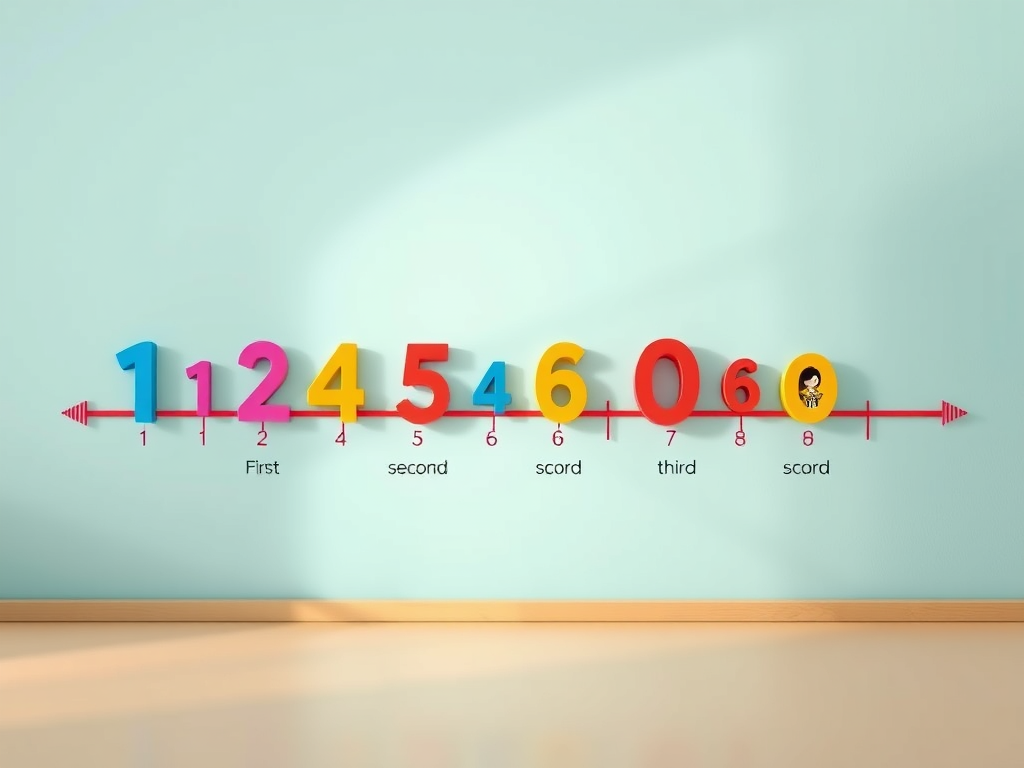
    Ordinal numbers


    Ordinal numbers

    first = prvi, prva prvo
    Just like any other adjectives, we have 3 genders. Masculine, feminine and neuter. You use the adjective
    form based on the gender of the noun it describes:
    the first man = prvi čovek
    the first woman = prva žena
    the first child = prvo dete
    second = drugi, druga, drugo
    third = treći, treća treće
    fourth = četvrti, četvrta, četvrto
    fifth = peti, peta, peto
    sixth = šesti, šesta, šesto
    seventh = sedmi, sedma, sedmo
    eighth = osmi, osma, osmo
    ninth = deveti, deveta, deveto
    tenth = deseti, deseta, deseto
    eleventh = jedanaesti, a, o
    twelfth = dvanaesti, a, o
    thirteenth = trinaesti, a, o
    fourteenth = četrnaesti, a, o
    fifteenth = petnaesti, a, o
    sixteenth = šesnaesti, a, o
    seventeenth = sedamnaest, a, o
    eighteenth = osamnaesti, a, o
    nineteenth = devetnaesti, a, o
    twentieth = dvadeseti, a, o
    twenty-first = dvadeset-prvi
    hundred-fifty-ninth = sto-pedeset-deveti
    thousand-three hundred-seventy-sixth = hiljadu-trista-sedamdeset-šesti
    From here on, you just follow the pattern, it’s pretty straightforward for numbers like 30th, 40th, 50th, 60th, you just add ‘i’ at the end of regular number.
    30 = trideset
    30th = trideseti
    40 = četrdeset
    40th = četrdeseti
    50 = pedeset
    50th = pedeseti
    100th = stoti
    1000th = hiljaditi
    1000000th = milioniti

  • At the airport

    At the airport


    At the airport – Na aerodromu

    to go – ići
    I go – idem
    vacation – odmor
    to travel – putovati
    I travel – putujem
    plane – avion
    by plane – avionom

    We are going on vacation. =
    Idemo na odmor.
    We are going to travel by plane. =
    Putovaćemo avionom.

    to pack – pakovati
    I pack – pakujem
    bag – torba
    bags torbe
    daughter – kćerka
    excited – uzbuđen, -a, -o

    We are packing the bags. =
    Pakujemo torbe.
    Our daughter is very excited. =
    Naša kćerka je veoma uzbuđena.

    I can’t wait – jedva čekam
    taxi – taksi
    here – ovde
    let’s go – idemo

    I can’t wait to be in the plane. =
    Jedva čekam da budem u avionu.
    The taxi is here. Let’s go! =
    Taksi je ovde. Idemo!

    to put – staviti
    trunk – gepek

    I’ll put your bags in the trunk. =
    Staviću vaše torbe u gepek.
    Thank you very much. =
    Hvala Vam puno.

    airport – aerodrom

    Where would you like to go? =
    Gde biste želeli da idete?
    To the airport, please. =
    Na aerodrom, molim Vas.

    entrance – ulaz

    Can you drop us off near the entrance? =
    Možete li nas ostaviti blizu ulaza?
    Yes, sure. =
    Da, naravno.

    dollar – dolar
    ride – vožnja
    change # as in money – kusur

    Here we are. That will be $8.50. =
    Ovde smo. To će biti 8,50 dolara.
    Thanks for the ride. Keep the change. =
    Hvala na vožnji. Zadržite kusur.

    flight – let

    Thank you. Have a nice flight! =
    Hvala vam. Uživajte u letu!

    check-in counter – šalter za čekiranje

    What are we going to do first, mom? =
    Šta ćemo da radimo prvo, mama?
    First, we need to go to the check-in counter. =
    Prvo moramo da odemo do šaltera za čekiranje.

    bag – torba
    boarding pass – bording karta

    What are we going to do there? =
    Šta ćemo tamo?
    We are going to check in our bags and get our boarding passes. =
    Čekiraćemo naše torbe i uzeti naše bording-karte.

    queue – red
    passenger – putnik
    to wait – čekati
    long – dugo

    There is such a long queue of passengers here! =
    Ovde je tako dugačak red putnika!
    Don’t worry! We will not have to wait long. =
    Ne brini! Nećemo morati dugo da čekamo.

    to check in – čekirati se
    ticket – karta
    passport – pasoš

    Good afternoon! We would like to check in. =
    Dobar dan! Želimo da se čekiramo.
    Hi! Can I see your tickets and passports, please? =
    Pozdrav! Mogu li da vidim vaše karte i pasoše, molim?

    bag – torba
    bags – torbe

    Yes, of course. Here they are. =
    Da naravno. Evo ih.
    How many bags are you checking in? =
    Koliko torbi čekirate?

    scale – vaga

    Two bags. =
    Dve torbe.
    Can you put them on the scale, please? =
    Možete li ih staviti na vagu, molim vas?

    carry-on bag – ručna torba

    Yes, sure. =
    Da, sigurno.
    How many carry-on bags are you taking with you? =
    Koliko ručnih torbi nosite sa sobom?

    Only one. =
    Samo jednu.
    Does that mean I can take my bag on the plane with me? =
    Da li to znači da mogu da ponesem svoju torbu u avion?

    Yes, Ana. =
    Da, Ana.
    Okay, here are your boarding passes and your passports. =
    U redu, evo vam boarding-karte i pasoši.

    gate # at the airport – gejt
    gate # in a traditional sense, a part of a fence that opens and closes – kapija
    to board – ukrcati se

    Thank you! =
    Hvala Vam.
    You will be boarding at gate B25 at 6.15. =
    Ukrcavate se na gejtu B25 u 6.15.

    Alright. =
    U redu.
    So where are we going now, dad? =
    Pa gde idemo sada, tata?

    security – obezbeđenje

    We are going through security now. =
    Sada prolazimo kroz obezbeđenje.
    Put your bags here, please. =
    Stavite svoje torbe ovde, molim.

    to empty – isprazniti
    pocket – džep
    content – sadržaj
    machine – mašina

    Empty your pockets and put the contents in the bin. =
    Ispraznite džepove i stavite sadržaj u korpu.
    What is this machine, dad? =
    Kakva je ovo mašina, tata?

    X-ray – rendgen
    scanner – skener

    This is an X-ray machine that sees what is inside the bags. =
    Ovo je rendgenski aparat koji vidi šta je u torbama.
    Now we have to step through this scanner. I will go first. =
    Sada moramo da prođemo kroz ovaj skener. Ja ću prvi.

    turn – red

    Now it’s my turn. =
    Sada je moj red.
    Here is your bag. =
    Evo tvoje torbe.

    escalator – pokretne stepenice

    Now we need to go to our gate. =
    Sada treba da idemo do našeg gejta.
    Let’s take the escalator. =
    Hajdemo pokretnim stepenicama.

    announcement – najava
    tunnel – tunel

    We are going to wait here for the boarding announcement. =
    Sačekaćemo ovde najavu ukrcavanja.
    Why are we passing through this tunnel, dad? =
    Zašto prolazimo kroz ovaj tunel, tata?

    bridge – most
    boarding bridge – most za ukrcavanje
    directly – direktno

    This is the boarding bridge. =
    Ovo je most za ukrcavanje.
    It takes us directly to the plane. =
    Vodi nas direktno do aviona.

    to enjoy – uživati
    seat – sedište
    seats – sedišta

    Welcome aboard! I hope you enjoy your flight with us today. =
    Dobro došli! Nadam se da ćete uživati u današnjem letu sa nama.
    Here are your seats. =
    Ovo su vaša sedišta.

    compartment – odeljak
    aisle – prolaz
    window – prozor
    middle – sredina

    You can put your bags into the overhead compartment. =
    Možete staviti svoje torbe u odeljak iznad glave.
    Mr Smith is sitting in the aisle seat, Mrs Smith is sitting
    in the window seat, and Ana is sitting in the middle. =
    Gospodin Smit sedi na sedištu pored prolaza, gospođa Smit sedi
    na sedištu pored prozora, a Ana sedi u sredini.

    to switch – zameniti

    Mom, can I sit by the window? =
    Mama, mogu li da sednem pored prozora?
    Of course, honey. Let’s switch seats. =
    Naravno dušo. Hajde da zamenimo sedišta.

    seat belt – pojas
    fasten your seat belt – veži pojas
    to take off – poleteti
    to fly – leteti
    amazing – neverovatno

    Please fasten your seat belt, because
    the plane is going to take off soon. =
    Vežite pojas, jer će avion uskoro poleteti.
    Look! We are flying! This is so amazing! =
    Pogledaj! Mi letimo! Ovo je neverovatno!

    safe – sigurno
    to unfasten – odvezati
    flight attendant – stjuardesa

    Now it is safe to unfasten the seat belts. =
    Sada je sigurno odvezati pojaseve.
    The flight attendant has come. =
    Stjuardesa je došla.

    rice – pirinač
    chicken – piletina
    pasta – testenina

    What would you like to eat? =
    Šta želite da jedete?
    We have chicken and rice or pasta. =
    Imamo piletinu i pirinač ili testeninu.

    We would like rice and chicken, please. =
    Hoćemo pirinač i piletinu, molim Vas.
    Would you like anything to drink? =
    Želite nešto da popijete?

    lemonade – limunada

    Yes, I will have a glass of lemonade. =
    Da, ja ću čašu limunade.
    And two glasses of water for us, please. =
    I dve čaše vode za nas, molim Vas.

    captain – kapetan
    to land – sleteti

    This is your captain speaking. =
    Govori vaš kapetan.
    We are about to land, so please fasten your seat belts. =
    Upravo ćemo sleteti, pa vas molimo da vežite pojaseve.

    baggage – prtljag

    Are we going to the hotel now? =
    Idemo li sada u hotel?
    First we need to go to the baggage claim,
    to get our bags. =
    Prvo moramo da odemo na preuzimanje prtljaga,
    da uzmemo naše torbe.

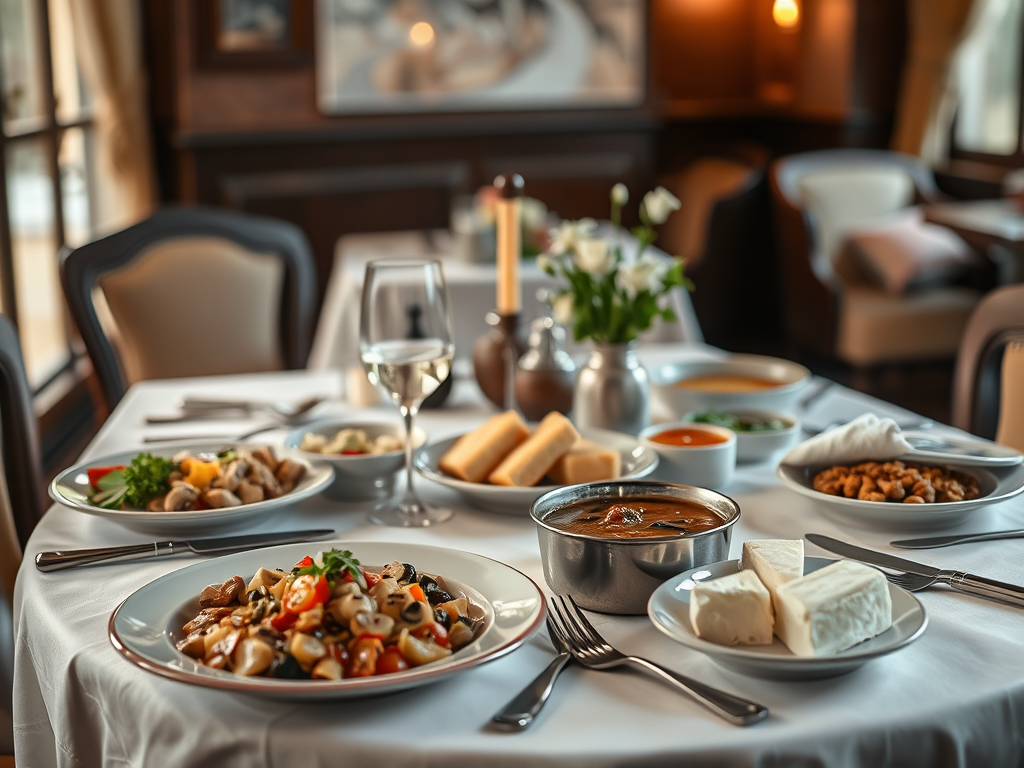
  • At the restaurant

    At the restaurant


    At the restaurant / Ordering food on the phone –
    U restoranu / Naručivanje hrane preko telefona

    restaurant – restoran
    at the restaurant – u restoranu

    Ana’s family has arrived at the restaurant. =
    Anina porodica je stigla u restoran.
    They are very hungry. =
    Veoma su gladni.
    Welcome to Serbian Dining! =
    Dobrodošli u Srpsku Trpezu!

    Do you have a reservation? =
    Imate li rezervaciju?
    Yes, I called this morning. =
    Da, zvao sam jutros.
    The reservation is under the name of Marko. =
    Rezervacija je pod imenom Marko.

    Yes, I have found it here. =
    Da, pronašla sam ovde.
    A table for four, right? =
    Sto za četvoro, zar ne?
    Yes, that’s right. =
    Tako je.

    I’m sorry to keep you waiting. =
    Izvinite što ste čekali.
    Please follow me. =
    Molim vas pratite me.
    Here is your table, by the window. =
    Evo vašeg stola, kraj prozora.

    This is our menu, please take a look. =
    Ovo je naš meni, pogledajte.
    Can I get another menu? =
    Mogu li dobiti još jedan meni?
    Of course, I will bring 3 more. =
    Naravno, doneću još 3.

    Here you go. I’ll let you think and come back shortly, okay? =
    Izvolite. Pustiću vas da razmislite i vratiću se ubrzo, u redu?
    Are you ready to order? =
    Da li ste spremni da naručite?
    Have you decided? =
    Da li ste odlučili?

    Can I get French fries for the appetizer? =
    Mogu li dobiti pomfrit za predjelo?
    I would like mushroom soup. =
    Želeo bih supu od pečuraka.
    Do you guys want anything else? =
    Da li želite još nešto?
    I want cheese. =
    Želim sir.

    § sir # this can be cottage cheese or it can be harder and with a stronger smell, but it’s still kind of whitish, it’s still different from the ones on the right

    § kačkavalj, there are many different kinds, like cheddar, gouda, and so on, but in general, this kind of yellowish hard cheese we call kačkavalj

    I want a salad. =
    Ja želim salatu.
    We have many kinds of salads. =
    Imamo više vrsta salata.
    You can see it on this page of the menu. =
    Možete videti na ovoj stranici menija.

    § šopska salata
    tomato – paradajz
    cucumber – krastavac
    pepper – paprika
    onion – crni luk
    grated sir – rendani sir

    § srpska salata – Serbian salad # very similar to šopska, it just doesn’t contain cheese
    tomato – paradajz
    cucumber – krastavac
    pepper – paprika
    onion – crni luk

    § vitaminska salata – vitamin salad
    cabbage – kupus
    carrot – šargarepa
    beetroot – cvekla

    § urnebes salata
    cottage cheese – sitan sir
    ground red pepper – mlevena paprika

    § ruska salata # Russian salad
    potato – krompir
    carrot – šargarepa
    pea – grašak
    boiled eggs – kuvana jaja
    ham – šunka
    pickles – kiseli krastavci
    mayonnaise – majonez

    Which salad would you like? =
    Koju salatu biste želeli?
    I would like šopska salad. =
    Ja bih šopsku salatu.
    That is all for the appetizers? =
    To je sve od predjela?
    Yes. = Da.

    What would you like for your main dish? =
    Šta biste želeli za glavno jelo?
    There are so many things. =
    Ima toliko stvari.
    What do you recommend? =
    Šta mi preporučujete?

    I recommend pljeskavica, ćevapi, stuffed drumsticks, pork fillet, sausages, veal tail in sauce. =
    Preporučujem pljeskavicu, ćevape, punjeni batak, svinjski file, kobasice, teleći rep u sosu.
    We also have French fries, ajvar, kajmak, albanska salata, cheese pie. =
    Imamo i pomfrit, ajvar, kajmak, albansku salatu, pitu sa sirom.

    I would like pljeskavica with kaymak. =
    Ja bih pljeskavicu sa kajmakom.
    I will have the same as my dad. =
    Ja ću isto što i moj tata.
    I would like to eat pizza. =
    Hteo bih da jedem picu.

    You won’t have any of the Serbian specialties? =
    Ne želite neki od srpskih specijaliteta?
    No, thank you. =
    Ne hvala.
    Anything to drink? =
    Nešto za piće?

    I would like rakija. =
    Ja bih rakiju.
    Peach juice for me. =
    Sok od breskve za mene.
    Just water. =
    Samo vodu.

    Would you like some dessert? =
    Nešto za dezert?
    We have chocolate cake, pancakes, baklava, and ice cream. =
    Imamo čokoladnu tortu, palačinke, baklavu i sladoled.
    We’ll take one serving of each. =
    Uzećemo po jednu porciju od svega.

    I will be right back with your drinks. =
    Odmah se vraćam sa vašim pićem.
    The food will be ready in 10-15 minutes. =
    Hrana će biti spremna za 10-15 minuta.
    This pljeskavica is so good. =
    Ova pljeskavica je tako dobra.

    Would you like a bite? =
    Hoćeš li zalogaj?
    Are you paying in cash or by credit card? =
    Da li plaćate gotovinom ili kreditnom karticom? =
    I will pay in cash. =
    Platiću kešom.

    Thank you very much for coming. =
    Hvala vam puno što ste došli.
    I hope you’ve enjoyed your meal! =
    Nadam se da ste uživali u obroku!
    See you next time! =
    Vidimo se sledeći put!

    Ordering food on the phone –
    Naručivanje hrane telefonom

    Hello, I would like to order, please. =
    Zdravo, želeo bih da naručim, molim.
    Pick-up or delivery? =
    Preuzimanje ili dostava?
    Delivery. =
    Dostava.

    What is your address? =
    Koja je vaša adresa?
    20 Green Street, apartment 30, 7th floor =
    Zelena ulica 20, stan 30, 7. sprat
    What is your phone number? =
    Koji je Vaš broj telefona?

    222-555-777 =
    dva dva dva – pet pet pet – sedam sedam sedam
    The buzzer code is #1234. =
    Kod za ulazna vrata je #1234
    What would you like to order? =
    Šta biste želeli da naručite?

    I’d like some barbeque, moussaka, and stuffed cabbage rolls. =
    Želeo bih roštilj, musaku i sarme.
    Anything else? =
    Još nešto?
    No, that’s all. =
    Ne, to je sve.

    How are you paying? =
    Kako plaćate?
    I will pay in cash. =
    Platiću gotovinom.
    That will be 3000 dinars. =
    To će biti 3000 dinara.

    Your order will be delivered in about 45 minutes. =
    Vaša porudžbina će biti dostavljena za oko 45 minuta.
    Thank you for calling, enjoy your meal! =
    Hvala što ste pozvali, uživajte u obroku!

  • At the hotel

    At the hotel


    At the hotel – U hotelu

    Sunday – nedelja
    family – porodica
    to have lunch – ručati
    kitchen – kuhinja

    It is Sunday. =
    Nedelja je.
    Ana’s family is having lunch in the kitchen. =
    Anina porodica ruča u kuhinji.

    holiday – odmor

    They are talking about a summer holiday. =
    Pričaju o letnjem odmoru.
    They want to go to the seaside. =
    Žele da idu na more.

    to reserve – rezervisati
    somewhere – negde
    Greece – Grčka
    mountain – planina
    beach – plaža

    They are thinking about reserving a hotel somewhere in Greece. =
    Razmišljaju da rezervišu hotel negde u Grčkoj.
    Would you girls like to go to the mountain or the beach? =
    Da li biste volele da idete na planinu ili na plažu? # so I say volele because the father is talking to the daughter and the wife – he is talking to two females ; voleli would be for male only group or a mixed group

    I would like to go to the beach, dad. =
    Želela bih da idem na plažu, tata.
    What do you think, mom? =
    Šta misliš, mama?

    I definitely agree, Ana. =
    Definitivno se slažem, Ana.
    Will you drive to Greece, Marko? =
    Hoćeš li voziti do Grčke, Marko?
    Of course. I love driving to Greece! =
    Naravno. Volim da vozim do Grčke!
    I am looking forward to our trip! =
    Radujem se našem putovanju!

    online – na internetu

    Let’s reserve a hotel! =
    Hajde da rezervišemo hotel!
    Yes, let’s find a good deal online. =
    Da, hajde da nađemo dobru ponudu na internetu.

    We need a room for three people. =
    Treba nam soba za tri osobe.
    What kind of room is that? =
    Kakva je to soba?

    double room – dvokrevetna soba
    bed – krevet
    double bed – bračni krevet
    an extra bed – pomoćni ležaj

    Usually it is a double room with an extra bed. =
    Obično je to dvokrevetna soba sa pomoćnim ležajem.
    We can get this one, it has a double bed
    and a single bed. =
    Možemo uzeti ovu, ima bračni krevet
    i krevet za jednu osobu.

    kitchen – kuhinja
    bathroom – kupatilo
    furnished – namešten

    It has a kitchen and a large bathroom,
    and it’s nicely furnished. =
    Ima kuhinju i veliko kupatilo,
    i lepo je namešten.
    When will we go? =
    Kada ćemo ići?

    check-in – prijava
    check-out – odjava
    available – slobodan, -a, -o
    discount – popust
    Our check-in date is July 15th,
    and the check-out date is July 24th. =
    Naš datum prijave je 15. jul,
    a datum odjave je 24. jul.
    Great, this room is available and it is on a discount! =
    Odlično, ova soba je slobodna i na popustu je!

    balcony – terasa
    including – uključujući

    It has a balcony overlooking the sea. =
    Ima terasu sa pogledom na more.
    Okay, it is $55 per night including breakfast. =
    U redu, ona je 55 dolara po noći uključujući doručak.

    website – sajt
    to use – koristiti
    to reserve – rezervisati

    This is a nice website. =
    Ovo je dobar sajt.
    Everybody uses it. That’s it, click on ‘reserve’. =
    Svi ga koriste. To je to, klikni na ‘rezerviši’.

    to fill in – popuniti
    information – informacija # it is countable in serbian, so the plural form iz informacije
    credit card – kreditna kartica
    I am ready – spreman sam
    to pack – spakovati se

    We have to fill in this information first. =
    Prvo moramo da popunimo ove podatke.
    Sure, type your first and last name, phone number,
    and credit card information. =
    Naravno, unesi svoje ime i prezime, broj telefona,
    i informacije o kreditnoj kartici.
    We are ready, just need to pack! =
    Spremni smo, samo treba da se spakujemo!

    At the hotel – U hotelu
    Good afternoon, welcome to Kala Nera hotel. =
    Dobar dan, dobrodošli u hotel Kala Nera.
    How may I help you? =
    Kako vam mogu pomoći?
    reservation – rezervacija

    Hello, we would like to check in, please. =
    Zdravo, želeli bismo da se prijavimo, molim Vas.
    Do you have a reservation, sir? =
    Imate li rezervaciju, gospodine?

    Yes, I have got a reservation for a double room. =
    Da, imam rezervaciju za dvokrevetnu sobu.
    My name is Marko Belić. =
    Zovem se Marko Belić.

    wonderful – divno, predivno
    to check – proveriti

    Alright, wonderful! Let me check here. =
    U redu, divno! Da proverim ovde.
    A double room with an extra single bed, correct? =
    Dvokrevetna soba sa pomoćnim ležajem, je li tako?

    That is right. =
    Tako je.
    Could I have your passport, sir? =
    Mogu li dobiti Vaš pasoš, gospodine?

    Of course, here you are. =
    Naravno, izvolite.
    This is a reservation for 10 days? =
    Ovo je rezervacija za 10 dana?

    key – ključ
    keys – ključevi

    Yes, it is. =
    Jeste.
    Wonderful. Your room number is 204. Here is your key. =
    Predivno. Broj vaše sobe je 204. Evo vašeg ključa.

    elevator – lift
    hall – hodnik
    bellman – portir
    baggage – prtljag

    The elevator is just down the hall. =
    Lift je odmah niz hodnik.
    It is on the 3rd floor. =
    Nalazi se na 3. spratu.

    Our bellman will bring your baggage
    and take you to the room. =
    Naš portir će doneti vaš prtljag
    i odvesti vas u sobu.

    reception – recepcija

    Thank you very much! =
    Mnogo vam hvala!
    You are welcome. If there is anything you need,
    feel free to call the reception anytime. =
    Nema na čemu. Ako Vam bilo šta zatreba,
    slobodno pozovite recepciju u bilo koje vreme.

    room service – rum servis
    to do laundry – prati veš

    Good afternoon, this is room service, how may I help you? =
    Dobar dan, ovo je rum servis, kako Vam mogu pomoći?
    Do you have a laundry service? =
    Imate li uslugu pranja veša?

    clothes – odeća
    papir – papir

    Of course. You can put your clothes in the laundry bag,
    then fill some information in the paper attached. =
    Naravno. Možete staviti svoju odeću u kesu za veš,
    zatim popunite neke podatke u priloženom papiru.
    Someone will come and take them. =
    Neko će doći i uzeti ga.

    Is the restaurant working? =
    Da li restoran radi?
    Yes, dinner is served from 6 PM to 10 PM. =
    Da, večera se služi od 18 do 22 sata.

    What time is breakfast? =
    U koje vreme je doručak?
    Breakfast is served from 7 AM to 10 AM. =
    Doručak se služi od 7 do 10 časova.

    pleasure – zadovoljstvo

    Thank you for your help. =
    Hvala na pomoći.
    It is my pleasure, madam. =
    Zadovoljstvo mi je, gospođo.

    What will we do tomorrow, mom? =
    Šta ćemo sutra, mama?
    We will go to the beach, of course! =
    Ići ćemo na plažu, naravno!

    ferry – trajekt
    to visit – posetiti
    lovely – divan, divna, divno
    island – ostrvo

    In the evening, we will take the ferry and visit Skiathos. =
    Uveče idemo na trajekt da posetimo Skijatos.
    It is a lovely island. =
    To je divno ostrvo.

    bus – autobus
    tour – tura

    Let me ask the receptionist. =
    Da pitam recepcionera.
    Hello, is there a bus tour to Skiathos? =
    Zdravo, postoji li autobuska tura do Skijatosa?

    We would like to go tomorrow. =
    Hteli bismo da idemo sutra.
    Yes, the bus will pick you up tomorrow at 7:30 AM
    and take you to the ferry. =
    Da, autobus će vas pokupiti sutra u 7:30
    i odvesti te do trajekta.

    Can I reserve three seats? =
    Mogu li da rezervišem tri mesta?
    Certainly. You can pay at the reception tomorrow morning. =
    Naravno. Možete platiti na recepciji sutra ujutru.

    I think we should get up early and have breakfast. =
    Mislim da bi trebalo da ustanemo rano i doručkujemo.
    Yes, but what about dinner? I am hungry now. =
    Da, ali šta je sa večerom? Sada sam gladan.

    Let’s order room service. =
    Hajde da naručimo rum servis.
    Ask if they have pizza! =
    Pitaj da li imaju picu!

    Good morning, it is time to check out. =
    Dobro jutro, vreme je za odjavu.
    What room were you in, sir? =
    U kojoj ste sobi bili, gospodine?

    Room 204. =
    Soba 204.
    Alright. Marko Belić, is that right? =
    U redu. Marko Belić, je li tako?

    room key – ključ od sobe

    That is correct. =
    Tako je.
    May I have your room key, sir? =
    Mogu li dobiti ključ od vaše sobe, gospodine?

    cash – gotovina, keš
    card – kartica

    Of course, here you are. =
    Naravno, izvolite.
    Would you like to pay in cash or by card? =
    Da li želite da platite gotovinom ili karticom?

    Here is my credit card. =
    Evo moje kreditne kartice.
    Okay, please hold on a second. =
    U redu, sačekajte momenat molim Vas.

    bill – račun
    I hope – nadam se

    Here is your bill. =
    Izvolite račun.
    Thank you very much, I hope you have enjoyed your stay
    and I hope to see you again soon. =
    Hvala vam puno, nadam se da ste uživali u boravku
    i nadam se da ćemo se uskoro ponovo videti.

    Thank you, goodbye! =
    Hvala, doviđenja!
    Have a safe trip! =
    Srećan put!

  • Imperfective and perfective verbs – Lesson 2

    Imperfective and perfective verbs – Lesson 2


    Imperfective and perfective verbs – Lesson 2

    1) to do
    raditi (radim), impf
    uraditi (uradim), perf

    I do my homework everyday. =
    Radim domaći svaki dan.
    I have to do my homework today. =
    Moram da uradim domaći danas.
    I was doing my homework last night. =
    Radio sam domaći sinoć.
    I did (have done) my
    homework this morning. =
    Uradio sam domaći jutros.
    I will be doing my homework tonight. =
    Radiću domaći večeras.
    I will do my homework tonight. =
    Uradiću domaći večeras.

    Note that in English you can say I’ll do my homework, and this sentence could still be translated either way depending on the context, I just translated it like this here to emphasize the difference, because the actual difference is in Serbian, in English it’s just that same sentence

    Just a reminder about the future tense here, it can be formed two different ways.
    They can be used interchangeably, but the short form can only be in the first position in a sentence, you have to start your sentence with it.
    I will do my homework tonight. =
    Radiću domaći večeras.
    Ja ću raditi domaći večeras.
    ću, ćeš, će, ćemo, ćete, će + the infinitive

    2) to think
    razmišljati (razmišljam), impf
    razmisliti (razmislim), perf

    I think all the time. =
    Stalno razmišljam.
    I should think about it. =
    Trebalo bi da razmislim o tome.
    I was thinking about it. =
    Razmišljao sam o tome.
    I thought about it. =
    Razmislio sam o tome.
    I will be thinking about it. =
    Razmišljaću o tome.
    I will think about it. =
    Razmisliću o tome.

    3) to go
    ići (idem) impf
    otići (odem), perf

    I go to work every day. =
    Idem na posao svaki dan.
    I should go to the dentist. =
    Treba da odem kod zubara.
    I was going to school when you called me. =
    Išao/la sam u školu kada si me pozvala.
    I went to the store. =
    Otišao/la sam u prodavnicu.
    I will be going there. =
    Ići ću tamo.
    I will go there. =
    Otići ću tamo.

    Another reminder about the future tense.
    If the infinitive ends in -ći, like it does here you write ‘ići ću’ as 2 separate words.

    4) to make
    praviti (pravim), impf
    napraviti (napravim), perf

    I’m making sandwiches. =
    Pravim sandviče.
    I can make good sandwiches. =
    Mogu da napravim dobre sendviče.
    I was making sandwiches. =
    Pravio/la sam sendviče.
    I made sandwiches. =
    Napravio/la sam sendviče.
    I will be making sandwiches. =
    Praviću sendviče.
    I will make sandwiches. =
    Napraviću sendviče.

    5) to take
    uzimati (uzimam), impf
    uzeti (uzmem), perf
    I’m taking the car now. =
    Uzimam auto sada.
    I want to take the car. =
    Želim da uzmem auto.
    I was taking the kids from the kindergarten. =
    Uzimao/la sam decu iz obdaništa.
    I took the car. =
    Uzeo/la sam auto.
    I will be taking the kids from the kindergarten. =
    Uzimaću decu iz obdaništa.
    I’ll take the car. =
    Uzeću auto.

  • Ko-fi bundle ($4.99)

    Ko-fi bundle ($4.99)

    10 new stories in Serbain and English, 5 books, and dozens of PDFs!

  • Serbian (and Serbo-Croatian) dialects

    Serbian (and Serbo-Croatian) dialects

    According to Matica Srpska and linguistic classifications from older periods, the Serbo-Croatian language was traditionally divided into three main dialects based on the reflex of the Common Slavic vowel jat:

    Štokavian: The most widespread dialect, serving as the basis for the standard languages of Serbian, Croatian, Bosnian, and Montenegrin. It is named after the pronoun što (meaning “what”).

    Čakavian: Predominantly spoken along the Croatian coast and in parts of the Adriatic islands. It is named after the pronoun ča for “what.” This dialect is less influential in the formation of the standard Croatian language but remains prominent in local dialects.

    Kajkavian: Primarily spoken in northwestern Croatia, especially around Zagreb. Named after the pronoun kaj for “what,” this dialect shares more similarities with Slovene than with the other Serbo-Croatian dialects.

    These three dialects form the core of the traditional linguistic division of the Serbo-Croatian language, which was used for a long time in linguistic and cultural studies.

    Ekavski, jekavski i ikavski
    There are three pronunciation variants in Serbian (Serbo-Croatian):
    1) Ekavian (spoken in Serbia)
    2) Ijekavian (spoken in Bosnia, Montenegro, and most of Croatia)
    3) Ikavian (spoken in parts of Croatia and Bosnia).

    Ekavian is predominantly found within the Štokavian dialect, mostly in Serbia, but it is not present in Čakavian or Kajkavian.
    Ijekavian occurs mainly in Štokavian but is also found in parts of Čakavian.
    Ikavian is present in both Štokavian and Čakavian dialects, especially in certain regions of Croatia and Bosnia.

  • BCS stories 1

    BCS stories 1

    Buy the book here.

  • Da li je panda medved?

    Da li je panda medved?