Category: Complete Course

  • Complete Course Lesson 29

    Complete Course Lesson 29


    Complete Course Lesson 29

    Let’s review what we learned last time. =
    Hajde da proverimo šta smo naučili prošli put.
    at the grocery store
    at the hospital
    at the hotel
    We don’t use “at” or “to”, we just use “in” = “u”, or “on” = “na”
    So how we translate at the grocery store?
    grocery store – prodavnica
    That is nominativ, but here we need lokativ. So we say:
    at the grocery store = u prodavnici; u supermarketu
    at the hospital = u bolnici
    at the hotel = u hotelu
    Now, let’s translate a dialogue. = Sada, hajde da prevedemo dijalog.
    At the grocery store = U prodavnici
    This is a dialogue between Ana and the shop assistant. = Ovo je dijalog između Ane i prodavca.
    How may I help you? = Izvolite, kako vam mogu pomoći?
    Remember:
    izvoli (sing) / izvolite (plural, forrmal)
    – answering when someone calls your name
    – offering someone something
    – “there you go”/”here you go”
    – “how may I help you”
    – allowing someone to come inside: “please, come in”
    I don’t speak Serbian well. = Ne govorim dobro srpski.
    Do you speak English? = Da li vi govorite engleski?
    I am sorry, I don’t. = Žao mi je, ne govorim.
    But you speak Serbian very well! = Ali, vi govorite srpski veoma dobro!
    Thank you, I’m trying. = Hvala vam, pokušavam.
    I am living and working in Belgrade at the moment, and I’m studying Serbian. = Sada živim i radim u
    Beogradu i učim srpski. *at the moment, now – sada
    I want to buy a dictionary. = Želim da kupim rečnik.
    This is a good Serbian-English dictionary. Here you go! = Ovo je dobar srpsko-engleski rečnik. Izvolite!
    Thank you very much! = Hvala puno! / Hvala mnogo! / Hvala lepo!
    to want = želeti
    she wants = ona želi
    at the store = u prodavnici (singular)
    at the shops = u prodavnicama (plural)
    crowd, crowded = gužva
    people = ljudi
    at the university = ba fakultetu
    at the universities = na fakultetima
    school student (pupil) = učenik
    college student = student
    at school = u školi
    at schools = u školama
    but = ali
    shop assistant = prodavac
    well; good = dobro
    English = engleski
    Englishman = Englez
    Englishwoman = Engleskinja
    to live = živeti
    I live = živim
    to work = raditi
    I work = radim
    Маy I help you? = Izvolite?
    I’m sorry. = Žao mi je.
    Unfortunately = nažalost
    Just a little bit = vrlo malo
    Thank you very much = Hvala lepo
    LOKATIV – PLURAL
    Where are they? = Gde su oni?
    The students are at colleges. = Studenti su na fakultetima.
    Muški i srednji rod
    at the hotels = u hotelima
    at the cities = u gradovima
    at villages = u selima
    at colleges = na fakultetima
    Ženski rod
    on the streets = na ulicama
    in the rooms = u sobama
    at the stores = u prodavnicama

  • Lesson 26

    Lesson 26


    Cases – Padeži
    Nominative – Nominativ
    Genitive – Genitiv
    Dative – Dativ
    Accusative – Akuzativ
    Vocative – Vokativ
    Instrumental – Instrumental
    Locative – Lokativ

    Genders:
    masculine – muški
    feminine – ženski
    neuter – srednji

    Masculine nouns end in consonants. =
    Muške imenice završavaju se suglasnikom.

    Masculine nouns:
    student – učenik
    passport – pasoš
    friend – drug
    city – grad
    key – ključ

    Feminine nouns:
    friend (female) – drugarica
    group – grupa
    apple – jabuka
    house – kuća

    Neuter nouns:
    village – selo
    sea – more
    sky – nebo
    lake – jezero
    summer – leto

    singular – jednina
    plural – množina
    gender – rod

    Plural forms:
    masculine gender – muški rod
    students – učenici
    passports – pasoši
    friends (male) – drugovi
    cities – gradovi
    keys – ključevi

    feminine gender – ženski rod
    friends (female) – drugarice
    groups – grupe
    apples – jabuke
    houses – kuće

    neuter gender – srednji rod
    villages – sela
    seas – mora
    skies – neba
    lakes – jezera
    summers – leta

    My friend is a student. = Moj drug je učenik.
    My friends are students. = Moji drugovi su učenici.
    My friend (female) is at school. = Moja drugarica je u školi.
    My friends (female) are at school. = Moje drugarice su u školi.

    Verb “to be” – biti
    I am – ja sam
    you are – ti si
    he is – on je
    she is – ona je
    it is – ono je
    we are – mi smo
    you are (plural) – vi ste
    they are – oni su

    Possessive adjectives – Prisvojni pridevi
    my – moj, moja, moje
    your – tvoj, tvoja, tvoje
    his – njegov, njegova, njegovo
    her – njen, njena, njeno
    its – njegov, njegova, njegovo
    our – naš, naša, naše
    your (plural) – vaš, vaša, vaše
    their – njihov, njihova, njihovo

    My friend (female) is not in the classroom. =
    Moja drugarica nije u učionici.
    My friends (female) are not in the classroom. =
    Moje drugarice nisu u učionici.
    Your key is here. = Tvoj ključ je ovde.
    Your keys are here. = Tvoji ključevi su ovde.
    His village is beautiful. = Njegovo selo je lepo.
    His villages are beautiful. = Njegova sela su lepa.

    Verb “to be” – short answers
    Yes, I am. = Jesam.
    Yes, you are. = Jesi.
    Yes, he is. = Jeste.
    Yes, she is. = Jeste.
    Yes, it is. = Jeste.
    Yes, we are. = Jesmo
    Yes, you are. (plural) = Jeste.
    Yes, they are. = Jesu.

    Da li ste vi učenik?
    Jesam.
    Da li je ovo vaš pasoš?
    Jeste.
    Da li je ona učenica?
    Jeste.
    Da li ste prvi put u Beogradu?
    Jesam.
    Da li su Marko i Silvija brat i sestra?
    Jesu.
    Da li su oni dobri drugovi?
    Jesu.

    Verb “to be” – short answers, negative forms
    No, I’m not. = Nisam.
    No, you’re not. = Nisi.
    No, he’s not. = Nije.
    No, she’s not. = Nije.
    No, it’s not. = Nije.
    No, we’re not. = Nismo.
    No, you’re not. (plural) = Niste.
    No, they’re not. = Nisu.

    Da li je Marko na času?
    Nije.
    Da li si ti student?
    Nisam.
    Da li je ovo vaša knjiga?
    Nije.
    Da li je Silvija novinar?
    Nije.
    Da li su oni profesori?
    Nisu.

    country – zemlja, država (feminine)
    Your country is America. =
    Tvoja zemlja je Amerika.
    His country is Australia. =
    Njegova zemlja je Australija.
    Her country is England. =
    Njena zemlja je Engleska.
    Its country is Germany. =
    Njegova zemlja je Nemačka.
    Our country is Spain. =
    Naša zemlja je Španija.
    Your (plural) country is Russia. =
    Vaša zemlja je Rusija.
    Their country is Turkey. =
    Njihova zemlja je Turska.
    My country is Serbia. =
    Moja zemlja je Srbija.
    Your country is America. =
    Tvoja zemlja je Amerika.
    His country is Australia. =
    Njegova zemlja je Australija.
    Her country is England. =
    Njena zemlja je Engleska.
    Its country is Russia. =
    Njegova zemlja je Rusija.
    Our country is Portugal. =
    Naša zemlja je Portugal.
    Your (plural) country is Greece. =
    Vaša zemlja je Grčka.
    Their country is Turkey. =
    Njihova zemlja je Turska.

  • Lesson 25

    Lesson 25


    Hello! = Zdravo!
    My name is Boko! = Zovem se Boko!
    I live in Serbia. = Živim u Srbiji.
    My city is called Niš. = Moj grad se zove Niš.
    I am a student. = Ja sam učenik.
    This is my friend. = Ovo je moj drug.
    She is a teacher. = Ona je nastavnik.

    She is here for the first time. = Ona je ovde prvi put.
    What about you? = A vi?
    Welcome! = Dobro došli!

    Possessive adjectives:
    my – moj, moja, moje
    your – tvoj, tvoja, tvoje
    his – njegov, njegova, njegovo
    her – njen, njena, njeno
    its – njegov, njegova, njegovo
    our – naš, naša, naše
    your (plural) – vaš, vaša, vaše
    their – njihov, njihova, njihovo

    pencil – olovka
    notebook – sveska
    watch – sat
    book – knjiga
    dictionary – rečnik
    verb – glagol
    new – nov, nova, novo
    teacher (1-4th grade) – učitelj
    teacher (middle and high) – nastavnik
    professor – profesor
    college student – student
    engineer – inženjer

    Dialogue – Dijalog

    < First day at the language school – Prvi dan u školi jezika >
    I am sorry sir, where is group A? = Izvinite, gospodine, gde je grupa A?
    In the classroom. = U učionici.
    Are you a new student? = Da li ste vi novi učenik?
    Yes, I am. = Jesam.
    Please, come in! = Molim vas, uđite!
    I am your professor. = Ja sam vaš profesor.
    My name is Dušan Nikolić. =
    Zovem se Dušan Nikolić.
    What is your name? =
    Kako se zovete?
    My name is Maria. =
    Ja se zovem Marija.
    What about you? =
    A vi?
    My name is Nina. =
    Ja se zovem Nina.
    Nice to meet you! =
    Drago mi je!
    What is your name? = Kako se zoveš?
    What is his name? = Kako se on zove?
    His name is Dušan. = On se zove Dušan. = Zove se Dušan.
    He is Dušan. = On je Dušan.
    Her name is Nina. = Ona se zove Nina. = Zove se Nina.
    She is Nina. = Ona je Nina.
    What is your friends’ name? = Kako se zove vaš drug?
    Are all the students here? = Da li su svi učenici ovde?
    Ne, they are not. = Nisu.
    Who is not here? = Ko nije ovde?
    My friend Alexander. = Moj drug Aleksandar.
    He is not here. = On nije ovde.

    Words – Reči

    classroom – učionica
    in the classroom – u učionici
    where – gde
    group – grupa
    Yes, I am. = Jesam.

    my name is – zovem se
    all, everybody – svi
    who – ko
    friend (male) – drug
    friend (female) – drugarica

    Expressions – Izrazi

    Izvolite – how can I help you?
    – feel free, be my guest
    – here you go

    What is your name? = Kako se zoveš? (informal)
    = Kako se zovete? (formal)
    My name is Borko. = Ja se zovem Borko. = Zovem se Borko.
    Nice to meet you! = Drago mi je!
    Welcome! = Dobro došao (masculine)
    = Dobro došla (feminine)
    = Dobro došli (plural, formal)

    Download the PDF here.

  • 24 – 100 most common Serbian verbs

    24 – 100 most common Serbian verbs


    100 most common Serbian verbs:
    1) to be – biti
    2) to have – imati
    3) to do – raditi
    4) to say – kazati
    5) to go – ići
    6) to get – dobiti
    7) to make – praviti
    8) to know – znati
    9) to think – misliti
    10) to take – uzeti
    11) to see – videti
    12) to come – doći
    13) to want – želeti
    14) to look – gledati
    15) to use – koristiti
    16) to find – naći
    17) to give – dati
    18) to tell – reći, it’s basically the same as verb number 4, kazati
    19) to work – raditi, we use the same word for ‘work’ and ‘do’ – raditi
    20) to call – zvati
    21) to try – pokušati
    22) to ask – pitati
    23) to need – trebati
    24) to feel – osećati
    25) to become – postati
    26) to leave – otići
    27) to put – staviti
    28) to think – misliti
    29) to keep – čuvati
    30) to let – pustiti
    31) to begin – početi
    32) to seem – činiti se
    33) to help – pomoći
    34) to talk – pričati
    35) to turn – okrenuti
    36) to start – početi
    37) to show – pokazati
    38) to hear – čuti
    39) to play – igrati
    40) to run – trčati
    41) to move – kretati se
    42) to like – sviđati se
    I like – sviđa mi se
    43) to live – živeti
    44) to believe – verovati
    45) to hold – držati
    46) to bring – doneti
    47) to happen – desiti se
    48) to write – pisati
    49) to provide – obezbediti
    50) to sit – sedeti
    51) to stand – stajati
    52) to lose – izgubiti
    53) to pay – platiti
    54) to meet – upoznati
    55) to include – obuhvatiti
    56) to continue – nastaviti
    57) to set – postaviti
    58) to study, to learn – učiti
    59) to change – promeniti
    60) to lead – voditi
    61) to understand – razumeti
    62) to watch – gledati
    63) to follow – pratiti
    64) to stop – stajati
    65) to create – napraviti
    66) to speak – pričati
    67) to read – čitati
    68) to allow – dopustiti
    69) to add – dodati
    70) to spend – potrošiti
    71) to grow – rasti
    72) to open – otvoriti
    73) to walk – hodati
    74) to win – pobediti
    75) to offer – ponuditi
    76) to remember – zapamtiti
    77) to love – voleti
    78) to consider – razmotriti
    79) to appear – pojaviti se
    80) to buy – kupiti
    81) to wait – čekati
    82) to serve – služiti
    83) to die – umreti
    84) to send – poslati
    85) to expect – očekivati
    86) to build – graditi
    87) to stay – ostati
    88) to fall – pasti
    89) to cut – seći
    90) to reach – dostići
    91) to kill – ubiti
    92) to remain – ostati, we use the same verb as for the ‘stay’
    93) to suggest – predložiti
    94) to raise – podići
    95) to pass – proći
    96) to sell – prodati
    97) to require – zahtevati
    98) to report – prijaviti
    99) to decide – odlučiti
    100) to pull – vući

  • 23 – Body Parts

    23 – Body Parts


    Body parts – Delovi tela
    body – telo
    head – glava
    face – lice
    shoulder – rame
    neck – vrat
    chest – grudi
    arm – ruka
    hand – šaka
    leg – noga
    knee – koleno
    ankle – članak
    foot – stopalo
    elbow – lakat
    thigh – butina
    calf – list
    heel – peta
    hair – kosa
    forehead – čelo
    eye – oko
    nose – nos
    ear – uvo
    mouth – usta
    cheek – obraz
    chin – brada
    beard – brada
    thumb – palac
    finger – prst
    index finger – kažiprst
    middle finger – srednji prst
    ring finger – domali prst
    little finger – mali prst
    joint, knuckle – zglob
    Plural forms:
    bodies – tela
    heads – glave
    faces – lica
    shoulders – ramena
    necks – vratovi
    arms – rukehands – šake
    legs – noge
    knees – kolena
    ankles – članci
    feet – stopala
    elbows – laktovi
    thighs – butine
    calves – listovi
    heels – pete
    foreheads – čela
    eyes – oči
    noses – nosevi
    ears – uši
    cheeks – obrazi
    chins – brade
    beards – brade
    thumbs – palčevi
    fingers – prsti
    joints – zglobovi

  • 22 – Weather

    22 – Weather


    weather – vreme
    forecast – prognoza
    to fall – padati
    cloud – oblak
    cloudy – oblačno
    The weather is cloudy. = Vreme je oblačno.
    It is cloudy. = Oblačno je.
    flood – poplava
    The city is flooded. = Grad je poplavljen.
    fog – magla
    foggy – maglovit (masculine), maglovita (feminine), maglovito (neuter)
    The weather is foggy. = Vreme je maglovito.
    hail – grad
    It is hailing. = Pada grad.
    hurricane – uragan
    ice – led
    icy, freezing – leden, ledena, ledeno
    lightning – munja
    rain – kiša
    rainy – kišovit, kišovita, kišovito
    It is raining. = Pada kiša.
    rainbow – duga
    snow – sneg
    snowy – snežan, snežna, snežno
    It is snowing. = Pada sneg.
    storm – oluja
    stormy – olujan, olujna, olujno
    a stormy night – olujna noć
    sun – sunce
    sunny – sunčan, sunčana, sunčano
    a sunny day – sunčan dan
    thunder (singular) – grom
    thunder, thunderstorm – grmljavina
    tornado – tornado
    wind – vetar
    windy – vetrovit, vetrovita, vetrovito
    It is windy today. = Danas je vetrovito.
    heat – vrućina
    hot – vruće
    The weather is hot. = Vreme je vruće.
    warmth – toplinawarm – topao, topla, toplo
    cool, chilly – prohladan, prohladna, prohladno
    cold (noun) – hladnoća
    cold (adjective) – hladan, hladna, hladno
    damp, humid – vlažan, vlažna, vlažno
    to drizzle – rositi
    It is drizzling. = Kiša rosi.
    downpour – pljusak
    blizzard – mećava
    frost – mraz
    snowflake – pahuljica
    breeze – povetarac
    drought – suša
    puddle – bara
    smog – smog
    sleet – susnežica
    It is usually chilly and damp in autumn. =
    Obično je prohladno i vlažno u jesen.
    It is so humid that I’ve had to change my shirt twice already. =
    Toliko je vlažno da sam morao/morala da presvučem majicu već dva puta.
    I hate the rain but I love the sun. =
    Mrzim kišu ali volim sunce.
    How is the weather in Germany? =
    Kako je vreme u Nemačkoj?
    What’s the forecast for tomorrow? =
    Kakva je prognoza za sutra?
    It’s pretty hot. What is the temperature? =
    Prilično je vruće. Kolika je temperatura?
    What is the weather like here in the summer? =
    Kakvo je vreme ovde leti?

  • 21 – Jobs / Occupations

    21 – Jobs / Occupations


    jobs – poslovi
    job – posao
    accountant – računovođa
    actor – glumac
    actress – glumica
    architect – arhitekta
    astronomer – astronom
    author – pisac
    baker – pekar
    bricklayer – zidar
    driver – vozač
    butcher – mesar
    carpenter – stolar
    chef, cook – kuvar
    cleaner – čistač
    dentist – zubar
    designer – dizajner
    doctor – doktor, lekar
    garbage man – đubretar
    electrician – električar
    engineer – inženjer
    factory worker – radnik u fabrici
    farmer – zemljoradnik
    firefighter – vatrogasac
    fisherman – ribar
    florist – cvećar
    gardener – baštovan
    hairdresse, barber – frizer
    journalist – novinar
    judge – sudija
    lawyer – advokat
    lecturer – predavač
    librarian – bibliotekar
    lifeguard – spasilac
    mechanic – mehaničar
    model – model, maneken/manekenka
    newsreader – spiker
    nurse – medicinska sestra
    optician – optičar
    painter – slikar
    pharmacist – farmaceut
    photographer – fotograf
    cameraman – snimatelj, kamerman
    pilot – pilot
    plumber – vodoinstalater
    politician – političar
    police officer – policajac
    postman – poštar
    real estate agent – agent za nekretnine
    receptionist – recepcioner
    scientist – naučnik
    secretary – sekretarica
    shop assistant – prodavac
    soldier – vojnik
    tailor – krojač
    taxi driver – taksista
    teacher (1-4 grade) – učitelj / učiteljica
    teacher (middle & high) – nastavnik / nastavnica
    professor – profesor
    translator – prevodilac
    travel agent – turistički agent
    veterinarian – veterinar
    waiter – konobar
    waitress – konobarica
    surgeon – hirurg
    psychiatrist – psihijatar
    programmer – programer
    office worker – kancelarijski radnik
    web designer – veb dizajner
    athlete – sportista
    coach – trener
    manager – upravnik, menadžer

  • 20 – House and furniture

    20 – House and furniture


    house – kuća
    furniture – nameštaj
    living room – dnevna soba
    bedroom – spavaća soba
    kitchen – kuhinja
    bathroom – kupatilo
    dining room – trpezarija
    hall – hodnik
    basement – podrum
    attic – tavan
    roof – krov
    stairs – stepenice
    balcony – terasa
    garden – dvorište
    garage – garaža
    television, TV – televizija, TV
    coffee table – stočić
    sofa, couch – kauč
    cushion, pillow – jastuk
    bookshelf – polica za knjige
    carpet, rug – tepih
    armchair – fotelja
    lamp – lampa
    plant – biljka
    painting – slika
    curtain – zavesa
    speaker – zvučnik
    bed – krevet
    air-conditioner – klima uređaj
    crib – krevetac
    wardrobe – ormar
    clock, watch – sat
    fan – ventilator
    mirror – ogledalo
    phone – telefon
    nightstand – noćni stočić
    fridge – frižider
    stove – šporet
    oven – rerna
    cooker hood – aspirator
    dishwasher – mašina za sudovedrawer – fioka
    table – sto
    tablecloth – stolnjak
    chair – stolica
    cabinet – kredenac
    chandelier – luster
    washing machine – mašina za veš
    water heater – bojler
    toilet – šolja
    sink in the bathroom – lavabo
    sink in the kitchen – sudopera
    bathtub – kada
    shower – tuš
    towel – peškir
    toilet paper – toalet papir
    brush – četka
    shampoo – šampon
    hair dryer – fen
    mop – džoger
    bucket – kofa
    hanger – ofinger
    clothespin – štipaljka
    soap – sapun
    toothbrush – četkica za zube
    toothpaste – pasta za zube
    clothes dryer – mašina za sušenje
    detergent – deterdžent

  • 19 – Kitchenware

    19 – Kitchenware


    kitchenware – kuhinjsko posuđe
    kitchen – kuhinja
    toaster – toster
    kettle – čajnik
    mixer – mikser
    blender – blender
    microwave – mikrotalasna
    trash can – kanta za smeće
    scale – vaga
    basket – korpa
    bowl – činija
    grater – rende
    oven glove – rukavica za rernu
    napkin – salveta
    chopsticks – štapići
    apron – kecelja
    chopping board – daska za seckanje
    rolling pin – oklagija
    cleaver – mesarski nož
    strainer – cediljka
    ladle – kutlača
    fork – viljuška
    knife – nož
    spoon – kašika
    cutlery – escajg
    plate – tanjir
    frying pan – tiganj
    pot, saucepan – lonac, šerpa
    corkscrew – vadičep
    spatula – špatula
    measuring cup – merica
    baking tray – tepsija

  • 18 – Nationalities

    18 – Nationalities


    nationality – nacionalnost
    ★ Note that there are different singular and plural forms.
    Also, there are different masculine and feminine forms.
    The following forms are masculine singular (one male individual):
    Serb, Serbian – Srbin
    American – Amerikanac
    Brit, British – Britanac
    Irishman – Irac
    Englishman – Englez
    Portuguese – Portugalac
    Spanish – Španac
    French – Francuz
    German – Nemac
    Belgian – Belgijanac
    Danish – Danac
    Norwegian – Norvežanin
    Finish – Finac
    Swedish – Šveđanin
    Italian – Italijan
    Austrian – Austrijanac
    Czech – Čeh
    Polish – Poljak
    Lithuanian – Litvanac
    Latvian – Letonac
    Ukrainian – Ukrajinac
    Slovakian – Slovak
    Hungarian – Mađar
    Romanian – Rumun
    Bulgarian – Bugarin
    Bosnian – Bosanac
    Greek – Grk
    Turkish – Turčin
    Russian – Rus
    Saudi Arabian – Saudijski Arapin
    Egyptian – Egipćanin
    Libyan – Libijac
    Indian – Indijac
    Chinese – Kinez
    Japanese – Japanac
    Australian – Australijanac
    Canadian – Kanađanin
    Mexican – Meksikanac
    Venezuelan – Venecueljanin
    Colombian – Kolumbijac
    Peruvian – Peruanac
    Brazilian – Brazilac
    Bolivian – Bolivijanac
    Paraguayan – Paragvajac
    Chilean – Čileanac
    Argentinian – Argentinac
    Thai – Tajlanđanin
    Montenegrin – Crnogorac
    Croat, Croatian – Hrvat
    Slovenian – Slovenac
    European – Evropljanin
    Asian – Azijac
    African – Afrikanac

  • 17 – Countries

    17 – Countries


    country – država, zemlja
    Serbia – Srbija
    America – Amerika
    United Kingdom – Ujedinjeno Kraljevstvo
    Great Britain – Velika Britanija
    England – Engleska
    Portugal – Portugal
    Spain – Španija
    France – Francuska
    Germany – Nemačka
    Belgium – Belgija
    Denmark – Danska
    Norway – Norveška
    Finland – Finska
    Sweden – Švedska
    Italy – Italija
    Austria – Austrija
    Czechia – Češka
    Poland – Poljska
    Lithuania – Litvanija
    Latvia – Letonija
    Ukraine – Ukrajina
    Slovakia – Slovačka
    Hungary – Mađarska
    Romania – Rumunija
    Bulgaria – Bugarska
    Bosnia – Bosna
    Greece – Grčka
    Turkey – Turska
    Russia – Rusija
    Saudi Arabia – Saudijska Arabija
    Egypt – Egipat
    Libya – Libija
    India – Indija
    China – Kina
    Japan – Japan
    Australia – Australija
    Canada – Kanada
    Mexico – Meksiko
    Venezuela – Venecuela
    Colombia – Kolumbija
    Peru – Peru
    Brazil – Brazil
    Bolivia – Bolivija
    Paraguay – Paragvaj
    Chile – Čile
    Argentina – Argentina
    Thailand – Tajland
    Montenegro – Crna Gora
    Croatia – Hrvatska
    Slovenia – Slovenija
    continent – kontinent
    Europe – Evropa
    North America – Severna Amerika
    South America – Južna Amerika
    Asia – Azija
    Africa – Afrika
    Australia – Australija
    Antarctica – Antarktik

  • 16 – Animals

    16 – Animals


    animals – životinje
    animal – životinja
    ant – mrav
    antelope – antilopa
    alligator – aligator
    bat – šišmiš
    bear – medved
    bird – ptica
    butterfly – leptir
    bee – pčela
    cat – mačka
    caterpillar – gusenica
    chicken – kokoška
    cow – krava
    camel – kamila
    dog – pas
    dolphin – delfin
    donkey – magarac
    deer – jelen
    duck – patka
    eagle – orao
    elephant – slon
    eel – jegulja
    fish – riba
    fly – mušica
    fox – lisica
    frog – žaba
    flamingo – flamingo
    goose – guska
    gorilla – gorila
    giraffe – žirafa
    goat – koza
    gazelle – gazela
    grasshopper – skakavac
    grizzly bear – grizli medved
    guinea pig – morsko prase
    horse – konj
    hamster – hrčak
    hedgehog – jež
    hippo – nilski konj
    hummingbird – kolibri
    hyena – hijena
    iguana – iguana
    impala – impala
    jaguar – jaguar
    jellyfish – meduza
    kangaroo – kengur
    koala – koala
    leopard – leopard
    lion – lav
    lizard – gušter
    llama – lama
    lobster – jastog
    monkey – majmun
    mosquito – komarac
    mouse – miš
    octopus – hobotnica
    ostrich – noj
    otter – vidra
    owl – sova
    oyster – ostriga
    panda – panda
    panther – panter
    parrot – papagaj
    penguin – pingvin
    pig – svinja
    pigeon – golub
    polar bear – polarni medved
    puma – puma
    rabbit – zec
    raccoon – rakun
    rat – pacov
    reindeer – irvas
    rhino – nosorog
    scorpion – škorpija
    seal – foka
    shark – ajkula
    sheep – ovca
    shrimp – škamp
    skunk – tvor
    sloth – lenjivac
    snail – puž
    snake – zmija
    spider – pauk
    squirrel – veverica
    tiger – tigar
    tortoise, turtle – kornjača
    turkey – ćurka
    unicorn – jednorog
    walrus – morž
    whale – kit
    wolf – vuk
    worm – crv
    zebra – zebra
    dinosaur – dinosaurus

  • Serbian Lesson 15 – Vegetables

    Serbian Lesson 15 – Vegetables


    vegetables – povrće
    artichoke – artičoka
    asparagus – špargla
    eggplant – patlidžan
    avocado – avokado
    beetroot – cvekla
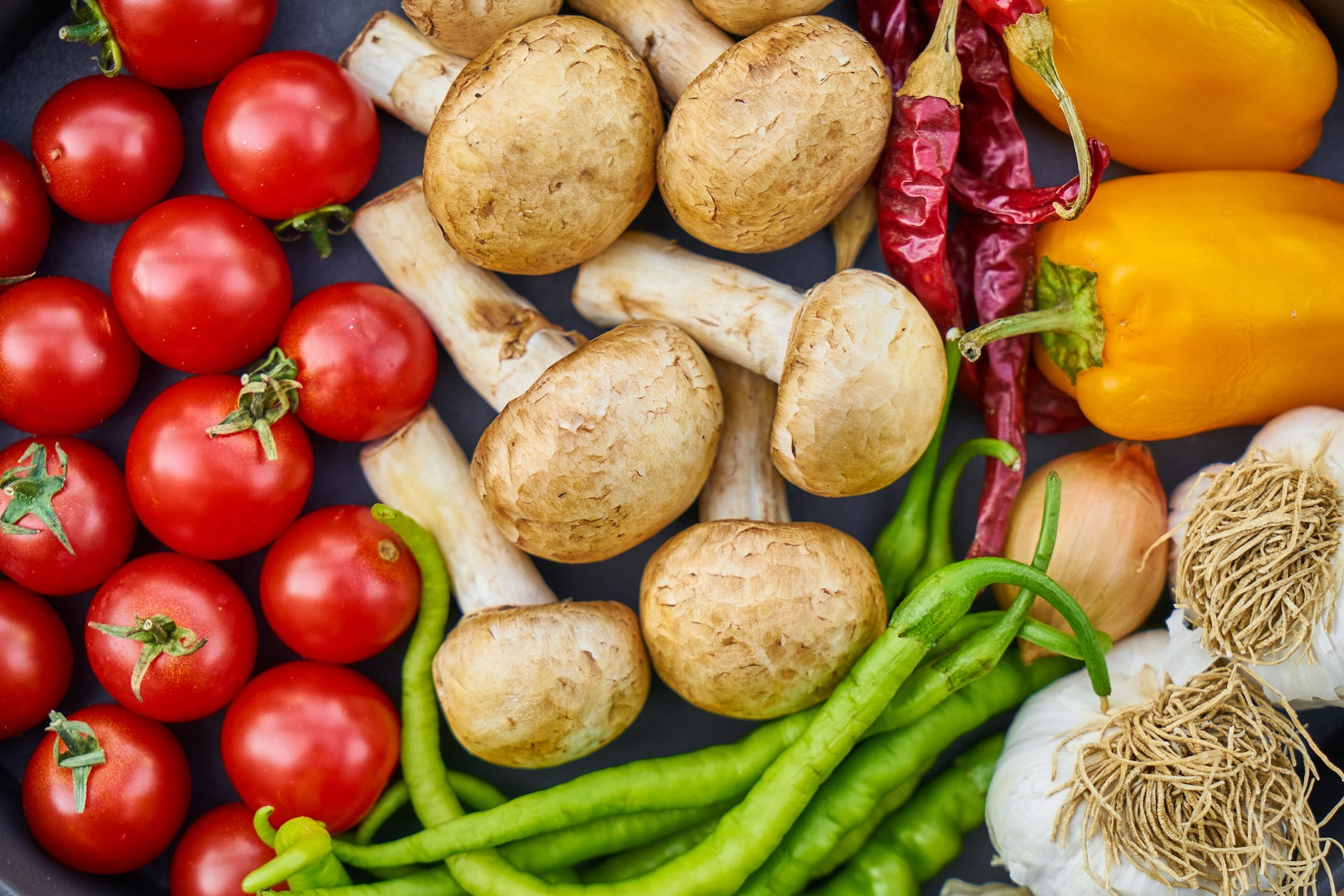
    bell pepper – paprika
    broccoli – brokoli
    Brussels sprouts – prokulica (singular), prokulice (plural)
    cabbage – kupus
    carrot – šargarepa
    cauliflower – karfiol
    celery – celer
    chickpeas – leblebija
    corn – kukuruz
    cucumber – krastavac
    garlic – beli luk
    ginger – đumbir
    green beans – boranija
    kale – kelj
    leek – praziluk
    lentils – sočivo
    lettuce – zelena salata
    mushrooms – pečurke
    olive – maslina
    olives – masline
    onion – crni luk
    peas – grašak
    potato – krompir
    pumpkin – bundeva
    radish – rotkvica
    rhubarb – rabarbara
    spinach – spanać
    spring onion – mladi luk
    squash – tikva
    tomato – paradajz
    zucchini – tikvica

  • Serbian Lesson 14 – Fruit

    Serbian Lesson 14 – Fruit


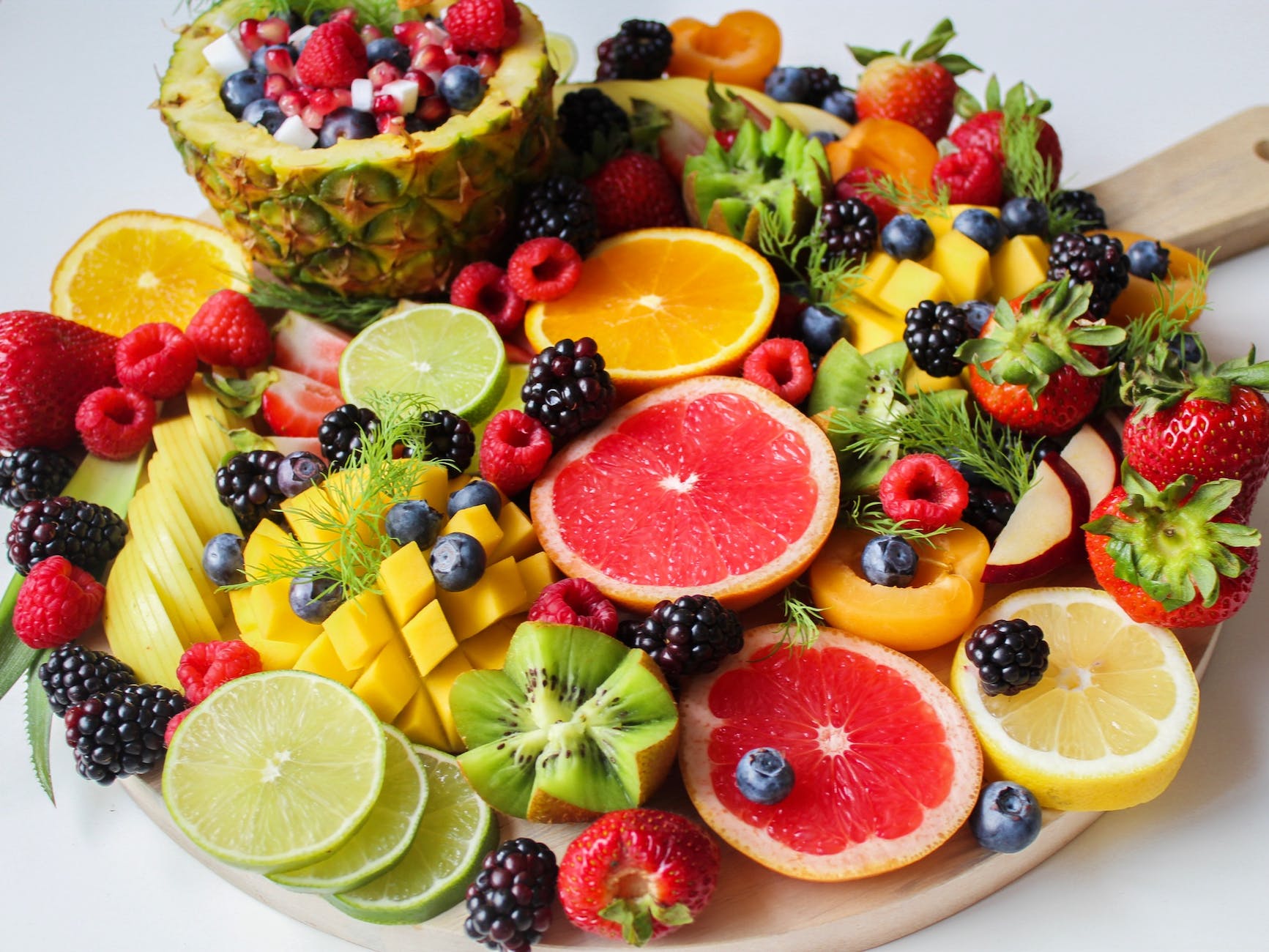
    fruit – voće
    apple – jabuka
    apricot – kajsija
    banana – banana
    blackberry – kupina
    blackcurrant – crna ribizla
    redcurrant – crvena ribizla
    blueberry – borovnica
    sour cherry – višnja
    sweet cherry – trešnja
    coconut – kokos
    cranberry – brusnica
    date – urma
    fig – smokva
    gooseberry – ogrozd
    grapes – grožđe
    grapefruit – grejpfrut
    kiwi – kivi
    lemon – limun
    lime – limeta
    lychee – liči
    mandarin – mandarina
    mango – mango
    melon – dinja
    nectarine – nektarina
    orange – narandža
    papaya – papaja
    passion fruit – marakuja
    peach – breskva
    pear – kruška
    pineapple – ananas
    plum – šljiva
    pomegranate – nar
    quince – dunja
    raspberry – malina
    strawberry – jagoda
    tangerine – mandarina
    watermelon – lubenica

  • 13 – Colors

    13 – Colors


    colors – boje
    color – boja
    red – crvena
    blue – plava
    green – zelena
    yellow – žuta
    orange – narandžasta
    purple – ljubičasta
    black – crna
    white – bela
    brown – braon
    pink – roze
    gray – siva
    gold – zlatna
    silver – srebrna
    crimson – grimizna
    turquoise – tirkizna
    dark – tamno
    light – svetlo
    dark blue – tamno plava
    light green – svetlo zelena
    beige – bež

    Note that the words I wrote are in feminine form: “red color – crvena boja”, because the word “color” (boja) is feminine.
    Adjectives have three genders and they have to match the noun they describe:
    a red phone – crveni telefon (masculine)
    a red book – crvena knjiga (feminine)
    the red sea – Crveno more (neuter)

    Masculine forms end in -i (red – crveni)
    Feminine forms end in -a (green – zelena)
    Neuter forms end in -o (yellow – žuto)

    Masculine forms:
    red – crveni
    blue – plavi
    green – zeleni
    yellow – žuti
    orange – narandžasti
    purple – ljubačasti
    black – crni
    white – beli

    Neuter forms:
    red – crveno
    blue – plavo
    green – zeleno
    yellow – žuto
    orange – narandžasto
    purple – ljubičasto
    black – crno
    white – belo

  • 12 – Possessive adjectives

    12 – Possessive adjectives

    Possessive adjectives – Prisvojni pridevi
    my – moj, moja, moje
    your – tvoj, tvoja, tvoje
    his – njegov, njegova, njegovo
    her – njen, njena, njeno
    its – njegov, njegova, njegovo
    our – naš, naša, naše
    your (plural) – vaš, vaša, vaše
    their – njihov, njihova, njihovo
    *****
    my passport – moj pasoš (masculine)
    my book – moja knjiga (feminine)
    my last name – moje prezime (neuter)

    your passport – tvoj pasoš
    your book – tvoja knjiga
    your last name – tvoje prezime

    This is my dictionary. = Ovo je moj rečnik.
    This is my watch. = Ovo je moj sat.
    This is my notebook. = Ovo je moja sveska.
    This is your home. = Ovo je tvoj dom.
    This is your book. = Ovo je tvoja knjiga.
    This is your bag. = Ovo je tvoja torba.
    This is her suitcase. = Ovo je njen kofer.
    This is our pen. = Ovo je naša olovka.
    This is your (plural) phone. = Ovo je vaš telefon.
    This is their mother. = Ovo je njihova majka.

    Possessive pronouns – Prisvojne zamenice
    They are the same as the possessive adjectives in Serbian.
    mine – moj, moja, moje
    yours – tvoj, tvoja, tvoje
    his – njegov, njegova, njegovo
    her – njen, njena, njeno
    its – njegov, njegova, njegovo
    our – naš, naša, naše
    yours (plural) – vaš, vaša, vaše
    theirs – njihov, njihova, njihovo

    This is my dictionary. = Ovo je moj rečnik.
    This dictionary is mine. = Ovaj rečnik je moj.
    This is your home. = Ovo je tvoj dom.
    This home is yours. = Ovaj dom je tvoj.
    This is his passport. = Ovo je njegov pasoš.
    This passport is his. = Ovaj pasoš je njegov.
    This is their book. = Ovo je njihova knjiga.
    This book is theirs. = Ova knjiga je njihova.

    Formal and informal speech
    When we talk in formal situations, or with elderly people, or we just want to be respectful, we use the formal speech. It has the same form as “you plural”.
    It sounds the same as if we are addressing more people.
    Sometimes we have to figure out from the context whether someone is addressing more people or just one person formally.
    your home – tvoj dom (informal)
    your home – vaš dom (formal)
    your mom – tvoja mama (informal)
    your mom – vaša mama (formal)
    your name – tvoje ime (informal)
    your name – vaše ime (formal)

  • 11 – Genders, ‘to be’ conjugation

    11 – Genders, ‘to be’ conjugation

    This is Nikola. = Ovo je Nikola.
    This is Maria. = Ovo je Marija.
    He is an architect, and she is a doctor. =
    On je arhitekta, a ona je doktor.
    Is Marko an architect? Yes, he is. =
    Da li je Marko arhitekta? Jeste.
    Is Maria a doctor? No, she isn’t. =
    Da li je Marija doktor. Nije.

    Verb “to be” – short answers:
    yes, I am – jesam
    yes, you are – jesi
    yes, he is – jeste
    yes, she is – jeste
    yes, it is – jeste
    yes, we are – jesmo
    yes, you are (plural) – jeste
    yes, they are – jesu
    *****
    no, I’m not – nisam
    no, you’re not – nisi
    no, he’s not – nije
    no, she’s not – nije
    no, it’s not – nije
    no, we’re not – nismo
    no, you’re not (plural) – niste
    no, they’re not – nisu

    airport – aerodrom
    Good afternoon. Welcome!
    Sir, your passport please. =
    Dobar dan. Dobro došli!
    Gospodine, vaš pasoš molim vas.
    Here you go! = Izvolite!
    This is not your passport! = Ovo nije vaš pasoš!
    I apologize! This is my sister Milica. =
    Izvnite! Ovo je moja sestra Milica.
    That is her passport, and this is mine. =
    To je njen pasoš, a ovo je moj.
    Are you in Serbia for the first time? =
    Da li ste u Srbiji prvi put?
    Yes, we are here for the first time. =
    Da, mi smo ovde prvi put.
    Here you go! Everything is all right! Goodbye! =
    Izvolite! Sve je u redu! Doviđenja!

    There are three genders in Serbian – masculine, feminine, and neuter.
    Masculine nouns usually end in a consonant:
    gospodin – sir
    park – park
    telefon – phone
    Feminine nouns usually end in “a”:
    gospođa – Mrs
    lekcija – lesson
    žena – woman
    Neuter nouns usually end in either “o” or “e”:
    jutro – morning
    more – sea
    prezime – last name

    Additional vocabulary:
    home – dom
    book – knjiga
    bag – torba
    passport – pasoš
    watch – sat
    dictionary – rečnik
    suitcase – kofer
    notebook – sveska
    pen – olovka
    telefon – phone

    Verb “to be” – biti
    I am – ja sam
    you are – ti si
    he is – on je
    she is – ona je
    it is – ono je
    we are – mi smo
    you are (plural) – vi ste
    they are – oni su

    I am a student. = Ja sam student.
    You are a student. = Ti si student.
    He is a student. = On je student.
    She is a student. = Ona je student.
    It is a student. = Ono je student.
    We are students. = Mi smo studenti.
    You are students. = Vi ste studenti.
    They are students. = Oni su studenti.
    *****
    I am not a student. = Ja nisam student.
    You are not a student. = Ti nisi student.
    He is not a student. = On nije student.
    She is not a student. = Ona nije student.
    It is not a student. = Ono nije student.
    We are not students. = Mi nismo studenti.
    You are not students. = Vi niste studenti.
    They are not students. = Oni nisu studenti.
    *****
    Am I a student? = Da li sam ja student?
    Are you a student? = Da li si ti student?
    Is he a student? = Da li je on student?
    Is she a student? = Da li je ona student?
    Is it a student? = Da li je ono student?
    Are we students? = Da li smo mi studenti?
    Are you students? = Da li ste vi studenti?
    Are they students? = Da li su oni studenti?

  • 10 – Drinks vocabulary

    10 – Drinks vocabulary

    a drink – piće
    I am thirsty. = Ja sam žedan.
    I drink – pijem
    water – voda
    coffee – kafa
    tea – čaj
    milk – mleko
    juice – sok
    soda (sugary drink) – gazirani sok
    beer – pivo
    wine – vino
    orange juice – sok od narandže
    soda water – kisela voda
    coke – koka-kola
    lemonade – limunada
    Serbian style schnapps – rakija
    cocktail – koktel
    mineral water – mineralna voda
    whiskey – viski
    milkshake – milkšejk
    ice tea – ledeni čaj
    squeezed juice – ceđeni sok
    hot chocolate – topla čokolada
    vodka – votka
    gin – džin
    rum – rum
    tequila – tekila
    ice – led
    glass – čaša
    cup – šoljica
    mug – šolja
    cold – hladno
    fizzy, carbonated – gazirano
    a can – limenka
    bottle – flaša

  • 9 – Food vocabulary

    9 – Food vocabulary

    food – hrana
    I am hungry. = Ja sam gladan.
    breakfast – doručak
    lunch – ručak
    dinner – večera
    snack – užina
    bread – hleb
    rice – pirinač
    wheat – pšenica
    oats – ovas
    meat – meso
    cheese – sir
    chicken – piletina
    pork – svinjetina
    beef – govedina
    sour cream – pavlaka
    pizza – pica
    spaghetti – špageti
    hamburger – hamburger
    Serbian style hamburger – pljeskavica
    Serbian style meat fingers – ćevapi
    pie – pita
    Serbian style meat/cheese pie – burek
    egg – jaje
    sausage – kobasica
    salt – so
    sugar – šećer
    ice cream – sladoled
    French fries – pomfrit
    sandwich – sendvič
    fish – riba
    soup – supa
    salad – salata
    chicken thigh – pileći batak
    bacon – slanina
    pancake – palačinka
    butter – puter / maslac
    flour – brašno
    cake – torta
    cookies – kolačići
    chocolate – čokolada
    lamb – jagnjetina
    stew – paprikaš
    ketchup – kečap
    mayo – majonez
    biscuit – keks
    jam – džem
    salty – slano
    sweet – slatko
    bitter – gorko
    sour – kiselo
    chilly pepper-hot – ljuto
    warm – toplo
    high temp-hot – vruće

  • 8 – Family members

    8 – Family members

    family – porodica
    family member – član porodice
    family members – članovi porodice
    mother – majka
    mom – mama
    father – otac
    dad – tata
    parent – roditelj
    sister – sestra
    brother – brat
    daughter – ćerka
    son – sin
    grandfather – deda
    grandpa – deka
    grandmother – baba
    grandma – baka
    uncle (father’s brother) – stric
    uncle (mother’s brother) – ujak (informally ujka)
    aunt – tetka
    wife – žena
    husband – muž
    daughter-in-law – snaja
    son-in-law – zet
    grandson – unuk
    granddauhter – unuka
    cousin – brat/sestra od strica/ujaka/tetke
    relative – rođak

  • 7 – Numbers

    7 – Numbers

    number – broj
    numbers – brojevi
    zero – nula
    one – jedan
    two – dva
    three – tri
    four – četiri
    five – pet
    six – šest
    seven – sedam
    eight – osam
    nine – devet
    ten – deset
    eleven – jedanaest
    twelve – dvanaest
    thirteen – trinaest
    fourteen – četrnaest
    fifteen – petnaest
    sixteen – šesnaest
    seventeen – sedamnaest
    eighteen – osamnaest
    nineteen – devetnaest
    twenty – dvadeset
    twenty one – dvadeset jedan
    twenty two – dvadeset dva
    twenty three – dvadeset tri
    twenty four – dvadeset četiri
    twenty five – dvadeset pet
    thirty – trideset
    forty – četrdeset
    fifty – pedeset
    sixty – šezdeset
    seventy – sedamdeset
    eighty – osamdeset
    ninety – devedeset
    one hundred – sto
    one thousand – hiljada
    ten thousand – deset hiljada
    one hundred thousand – sto hiljada
    one million – milion
    one billion – milijarda

  • 6 – Personal pronouns and the present simple

    6 – Personal pronouns and the present simple

    Subject pronouns:
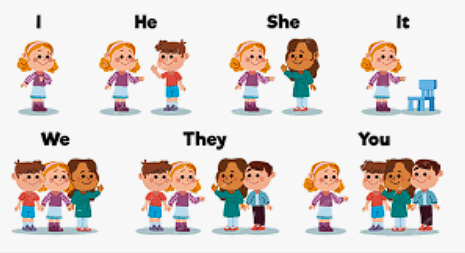
    I – ja
    you – ti
    he – on
    she – ona
    it – ono
    we – mi
    you (plural) – vi
    they – oni

    Present Tense – Sadašnje vreme
    to study – učiti
    I study – ja učim
    you study – ti učiš
    he studies – on uči
    she studies – ona uči
    it studies – ono uči
    we study – mi učimo
    you (plural) study – vi učite
    they study – oni uče

    In order to form the present tense, the suffix “ti” is omitted from the infinitive (učiti), and that is how the stem is formed (uči). We apply the suffixes to a stem in order to form the present tense:
    -m -mo
    -š -te
    / -e/-u/-ju
    The suffixes for all the persons except for the third person plural are always the same, for all the verbs. The third person plural can end in three different ways: “e”, “u”, or “ju” – depending on the last letter of the stem.
    1) If the stem ends in “i”:
    he works – radi
    – “they” form ends in “e”:
    they work – rade
    2) If the stem ends in “e”:
    he eats – jede
    – “they” form ends in “u”:
    they eat – jedu
    3) If the stem ends in “a”:
    he sleeps – spava
    – “they” form ends in “ju”
    they sleep – spavaju

    to read – čitati
    I read – ja čitam
    you read – ti čitaš
    he reads – on čita
    she reads – ona čita
    it reads – ono čita
    we read – mi čitamo
    you (plural) read – vi čitate
    they read – oni čitaju

    to write – pisati
    I write – ja pišem
    you write – ti pišeš
    he writes – on piše
    she writes – ona piše
    it writes – ono piše
    we write – mi pišemo
    you write (plural) – vi pišete
    they write – oni pišu

  • 5 – 20 basic verbs

    5 – 20 basic verbs

    to be – biti
    I am – ja sam
    to have – imati
    I have – imam
    to read – čitati
    I read – čitam
    to cook – kuvati
    I cook – kuvam
    to sing – pevati
    I sing – pevam
    to work – raditi
    I work – radim
    to swim – plivati
    I swim – plivam
    to sleep – spavati
    I sleep – spavam
    to study – učiti
    I study – učim
    to drive – voziti
    I drive – vozim
    to run – trčati
    I run – trčim
    to lie down – ležati
    I lie down – ležim
    to eat – jesti
    I eat – jedem
    to write – pisati
    I write – pišem
    to drink – piti
    I drink – pijem
    to cry – plakati
    I cry – plačem
    to watch – gledati
    I watch – gledam
    to jump – skakati
    I jump – skačem
    to go – ići
    I go – idem
    to travel – putovati
    I travel – putujem

  • 4 – Basic expressions

    4 – Basic expressions

    My name is Ana. = Ja se zovem Ana.
    I am from Serbia. = Ja sam iz Srbije.
    I don’t understand – ne razumem
    Could you speak slower, please? = Možeš li pričati sporije, molim te?
    What does this mean? = Šta ovo znači?
    What do you mean? = Kako to misliš?
    What is your name? = Kako se zoveš?
    How are you? = Kako si?
    What are you doing? = Šta radiš?
    What do you do for a living? = Čime se baviš?
    phone number – broj telefona
    What do you think? = Šta misliš?
    sounds good – zvuči dobro
    never mind – nema veze
    I am learning Serbian. = Učim srpski.
    Can you help me? = Da li mi možeš pomoći?
    I am looking for _________. = Tražim _________.
    How much does this cost? = Koliko ovo košta?
    How can I help you? = Kako vam mogu pomoći?
    What time is it? = Koliko je sati?
    How is the weather? = Kako je vreme?
    I speak English. = Pričam engleski.
    I live in Belgrade. = Živim u Beogradu.
    I travel to America. = Putujem u Ameriku.
    welcome – dobro došao (masculine), dobro došla (feminine), dobro došli (plural, formal)

  • 3 – Basic words and greetings

    3 – Basic words and greetings

    yes – da
    no – ne
    maybe – možda
    hi, hello, bye – zdravo, ćao
    good morning – dobro jutro
    good afternoon – dobar dan
    good evening – dobro veče
    good night – laku noć
    goodbue – doviđenja
    see you – vidimo se
    see you later – vidimo se kasnije
    see you next time – vidimo se sledeći put
    see you tomorrow – vidimo se sutra
    take care – čuvaj se
    what’s up – šta ima
    okay – okej
    good – dobro
    bad – loše
    all right – u redu
    thank you – hvala
    thank you very much – hvala puno
    you’re welcome – nema na čemu
    excuse me, sorry – izvini
    I’m sorry – žao mi je
    nice to meet you – drago mi je
    of course – naravno
    please – molim te
    yes?, pardon me? – molim?
    sure – sigurno
    great – sjajno

  • 2 – Cyrillic Alphabet

    2 – Cyrillic Alphabet

    The Serbian Cyrillic alphabet is a variation of the Cyrillic script used to write the Serbian language, adapted in 1818 by the Serbian philologist and linguist Vuk Karadžić. It is one of the two alphabets used to write modern standard Serbian, the other being Latin alphabet (abeceda).
    Cyrillic alphabet – azbuka
    Cyrillic script – ćirilica

    Karadžić based his alphabet on the previous Slavonic-Serbian script, following the principle of “write as you speak and read as it is written”, removing obsolete letters.

    Medieval Serbian Cyrillic
    Vuk Stefanović Karadžić fled Serbia during the Serbian Revolution in 1813, to Vienna. There he met Jernej Kopitar, a linguist with interest in slavistics. Kopitar and Sava Mrkalj helped Vuk to reform Serbian and its orthography. He finalized the alphabet in 1818 with the Serbian Dictionary.
    Karadžić reformed standard Serbian and standardised the Serbian Cyrillic alphabet by following strict phonemic principles on the Johann Christoph Adelung’ model and Jan Hus’ Czech alphabet. Karadžić’s reforms of standard Serbian modernised it and distanced it from Serbian and Russian Church Slavonic, instead bringing it closer to common folk speech, specifically, to the dialect of Eastern Herzegovina which he spoke. Karadžić was, together with Đuro Daničić, the main Serbian signatory to the Vienna Literary Agreement of 1850 which, encouraged by Austrian authorities, laid the foundation for Serbian, various forms of which are used by Serbs in Serbia, Montenegro, Bosnia and Herzegovina and Croatia today. Karadžić also translated the New Testament into Serbian, which was published in 1868.

    Differences from other Cyrillic alphabets
    Serbian Cyrillic does not use several letters encountered in other Slavic Cyrillic alphabets. It does not use hard sign (ъ) and soft sign (ь), but the aforementioned soft-sign ligatures instead. It does not have Russian/Belarusian Э, Ukrainian/Belarusian І, the semi-vowels Й or Ў, nor the iotated letters Я (Russian/Bulgarian ya), Є (Ukrainian ye), Ї (yi), Ё (Russian yo) or Ю (yu), which are instead written as two separate letters: Ја, Је, Ји, Јо, Ју. Ј can also be used as a semi-vowel, in place of й. The letter Щ is not used. When necessary, it is transliterated as either ШЧ, ШЋ or ШТ.
    In other words, Serbian alphabet is modernised and as a result simpler. We only have the letter/sound “j”, everything else can be added to form the sound that is needed.

  • 1 – Latin Alphabet

    1 – Latin Alphabet


    The Serbian Latin alphabet is one of the writing systems used to write the Serbian language. It consists of 30 letters, which are similar to the Latin script used for English and many other languages. Here’s a brief overview of the Serbian Latin alphabet:

    A B C Č Ć D Dž Đ E F G H I J K L Lj M N Nj O P R S Š T U V Z Ž
    a b c č ć d dž đ e f g h i j k l lj m n nj o p r s š t u v z ž

    Latin alphabet, also known as abeceda, is the form of the Latin script (latinica) used for writing Serbo-Croatian and all of its standard varieties: Bosnian, Croatian, Montenegrin, and Serbian.
    Digraphs ⟨dž⟩, ⟨lj⟩ and ⟨nj⟩ are considered to be single letters.
    There are 22 letters that are the same as in English, and there are 8 letters unique for the Serbian writing system: Č, Ć, Dž, Đ, Nj, Š, Ž.
    The four English letter we don’t have in the Serbian alphabet are: X, Y, W, Q.

    Pronunciation
    There is a rule in Serbian that goes:
    Write as you say, read as it is written.
    Serbian (and the other three standard varietes of our language) is 100% phonetic. One letter equals one sound. There are no silent letters. There are no double letters. One letter always has the same sound. No exceptions.
    For example, letter “k” always has the sound like in key or kangaroo. The letter “c” can never sound like that.
    Take a look at the pronunciation of our letters:

    Č, č       church / čovek – man (harder)
    Ć, ć       gotcha / ćao – hi (softer)
    Ž, ž       pleasure / žena – woman
    Dž, dž   junk / džem – jam (harder)
    Đ, đ       juice / đak – pupil (softer)
    Š, š       shoes / šta – what
    Nj, nj     onion, piñata / konj – horse
    Lj, lj      million, Ljubljana / ljubav – love

    The “c” letter has the /ts/ sound, like in gigahertz and Fitzgerald.
    “A” is just /a/, like in bun, honey, or mushroom.
    “E” is just /e/, like cat, pet, met.
    “I” is /i/, like sit, meet, pit.
    “O” is /o/, like ball, mop, shop.
    “U” is /u/, like shoot, put, suit.

    The letters we don’t have (X, Y, Q, W) we also have to pronounce somehow.
    X – iks
    Y – ipsilon
    Q – ku
    W – duplo ve [literally “double V”]